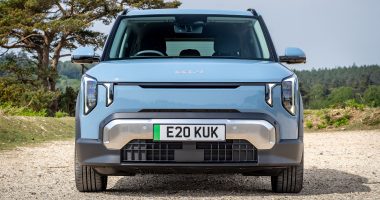
The city car market may no longer be the force it once was, but Kia’s smallest model continues to make a convincing case for keeping things simple. The Picanto combines compact dimensions with a surprisingly practical cabin, an eager little 1.0-litre, three-pot petrol engine and running costs that should appeal to motorists who have no desire to make the switch to electric motoring just yet.
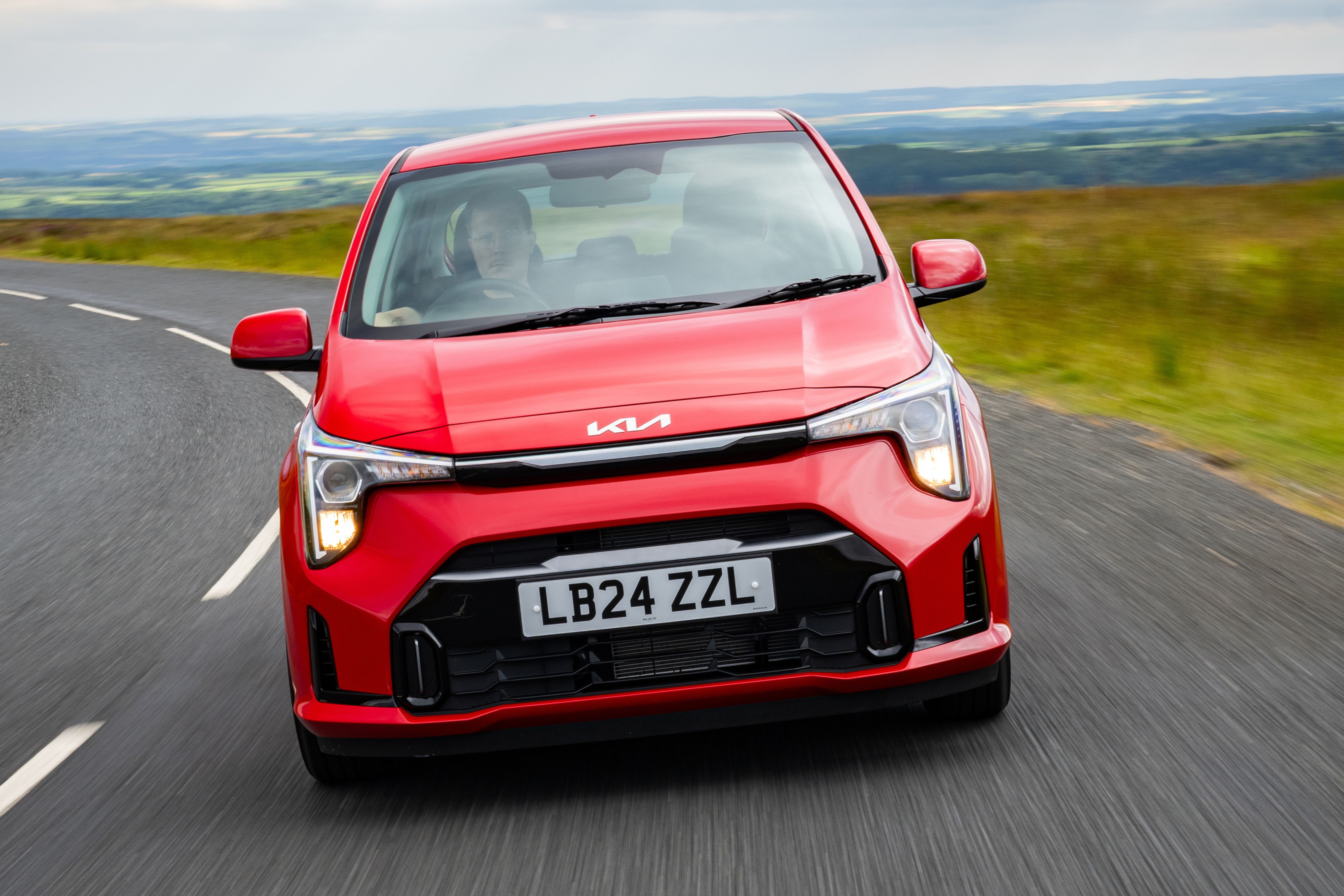
The latest model benefits from sharper styling that gives it a more assertive appearance than its predecessors to bring it into line with the design language seen across its wider range: angular lighting and a more distinctive front end helps it stand out in a class where affordability often takes precedence over visual flair. It remains unmistakably a small hatchback, but one that looks considerably more purposeful than its modest proportions might suggest.
The ‘Pure’ specification tested here sits at the entry point of the range, concentrating on the essentials rather than the more cosmetic additions found on higher-grade models. That approach makes sense for a car whose primary appeal rests on affordability, ease of use and low running costs. The question is: can the Picanto deliver those qualities without feeling too much like a compromise?
Step inside and the cabin is reasonably accommodating for a car of this size. Space is well used, and while nobody will mistake the Picanto for a family-sized car, it feels capable of handling the demands of everyday life. The boot is a decent size for the class (255-litres rising to 1,010-litres with the back seats folded down), providing useful room for shopping, bags and the usual paraphernalia that accumulates during the working week.
The dashboard is where the design begins to show its age. Compared with the cleaner, more contemporary interiors of Kia’s newer models, particularly its electric-vehicle line-up, the Picanto feels a little less sophisticated. That is not necessarily a criticism of its functionality, however. Indeed, the straightforward layout and the presence of physical controls for the heating and ventilation is very welcome; the arrangement is functional, intuitive and easy to operate on the move which, in an era when manufacturers are increasingly keen to replace conventional buttons with digital interfaces, is a massive plus.
Standard equipment is generous for an entry-level model, too. The ‘Pure’ rides on 14-inch alloy wheels and gets automatic headlights, heated and electrically adjustable door mirrors, manual air conditioning and an eight-inch touchscreen infotainment system with Apple CarPlay and Android Auto. A 4.2-inch driver display adds a modern touch, while rear parking sensors and a reversing camera make manoeuvring into tight spaces that bit easier. Cruise control and a range of driver assistance systems further underline the Picanto’s everyday practicality. It may be the entry point to the range, but there is little sense of having to make do without the essentials.
Power comes from a small three-cylinder petrol engine, producing 67bhp in the latest 5-speed manual configuration. Those figures are hardly headline-grabbing, but the Picanto’s 950kg kerb weight means the engine does not have to work miracles to deliver acceptable performance. Around town, it feels peppy enough to keep pace with traffic, while the transmission allows the driver to make the most of the available power.
There is, inevitably, a need to plan ahead when joining faster roads or attempting an overtake; the engine has limited reserves, and making progress at motorway speeds requires a little more effort than in a larger-capacity car. Nevertheless, the motor has a willing character and feels well suited to the Picanto’s intended role.
The distinctive thrum of the three-cylinder is never entirely absent, particularly when accelerating hard, but the cabin does a commendable job of keeping the noise at bay. Even when the engine is working hard, refinement is better than might reasonably be expected from such a small petrol unit. Fuel economy is another strong point. During a round-trip motorway journey, maintaining a steady 70mph cruise, the Picanto returned an indicated 55mpg
On the move, the Picanto is at its most enjoyable when negotiating town streets and tighter, more demanding routes. Its compact dimensions make it easy to position, while the light, responsive handling gives it an agility that larger cars can struggle to match. It changes direction readily and feels nimble through bends, making the most of its modest power by encouraging the driver to maintain momentum rather than rely on outright acceleration.
There is a sense of ease to the way the Kia deals with everyday driving: narrow streets, congested junctions and tight parking spaces are all handled with little fuss, and its small footprint is a genuine advantage in urban environments. It is not intended to be a sporting hatchback, but there is enough responsiveness in its chassis to make it more engaging than a purely functional runabout.
Unfortunately, the suspension is less convincing when the road surface deteriorates. On smoother tarmac, the Picanto is perfectly agreeable, but broken surfaces expose a more unsettled side to its character. Sharp ridges and potholes can produce an abrupt response, with the suspension banging and walloping over imperfections that a more sophisticated setup would absorb with greater composure.